Batanes IslandsPHILIPPINES · 20°N IN THE LUZON STRAIT Book a stay
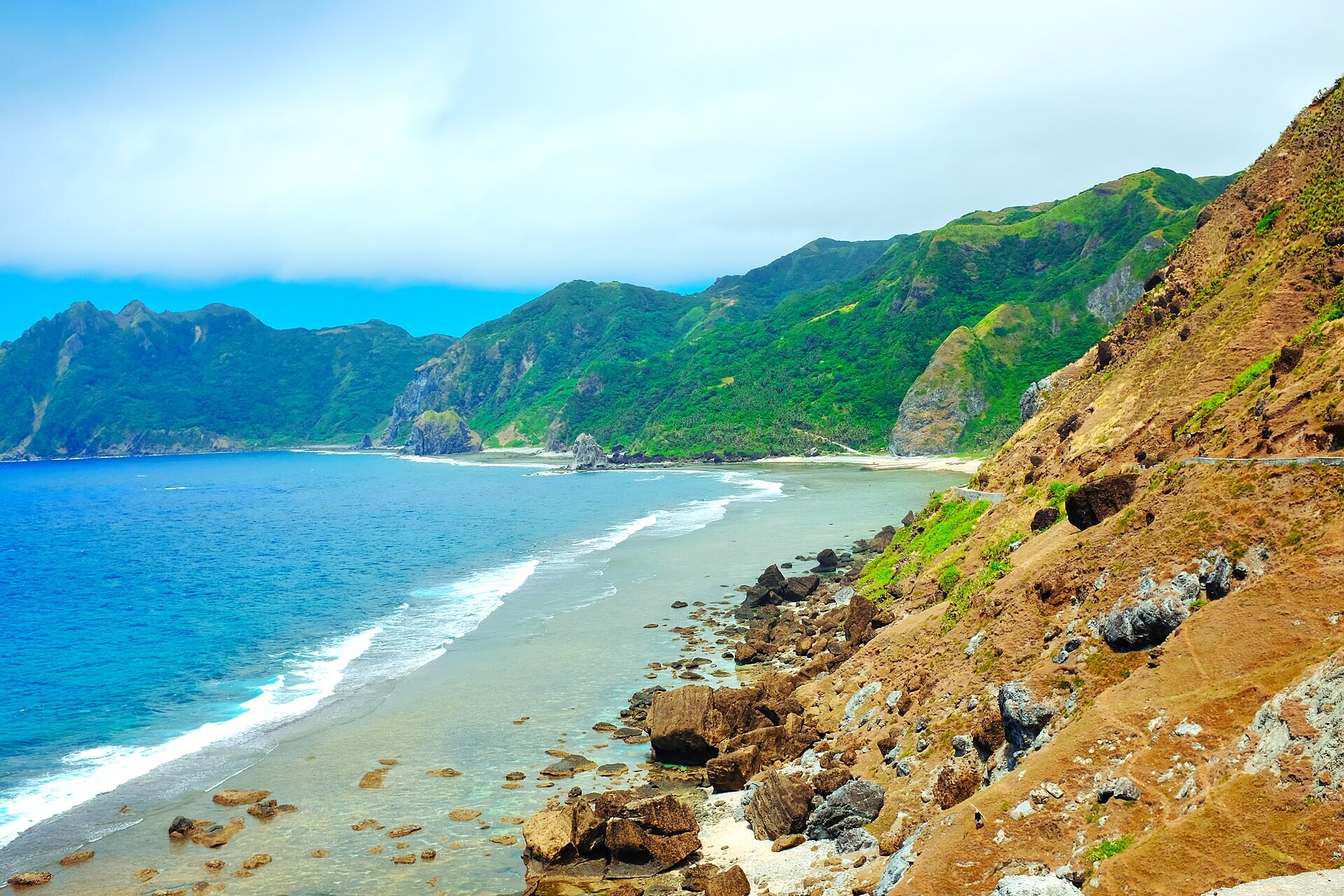
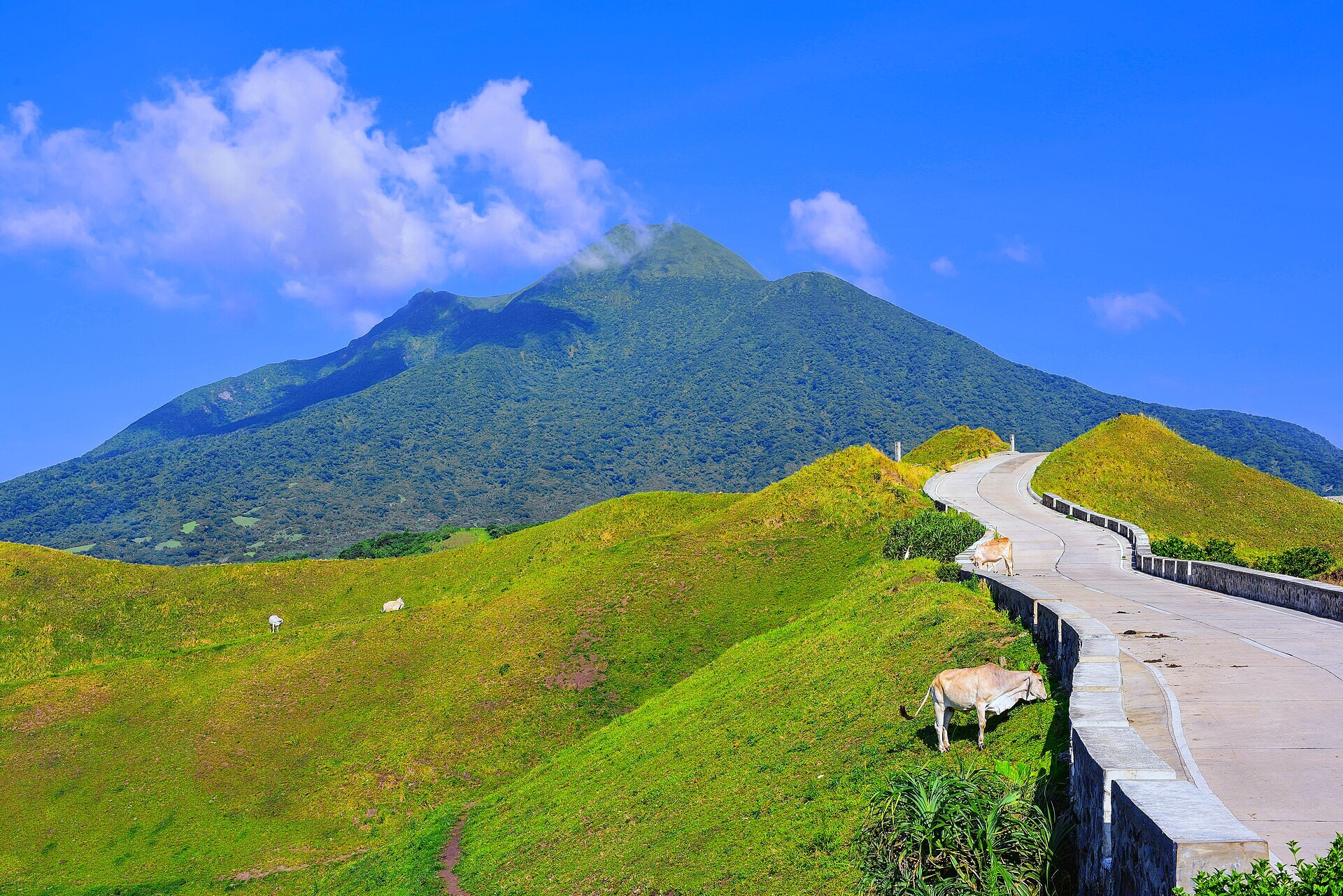
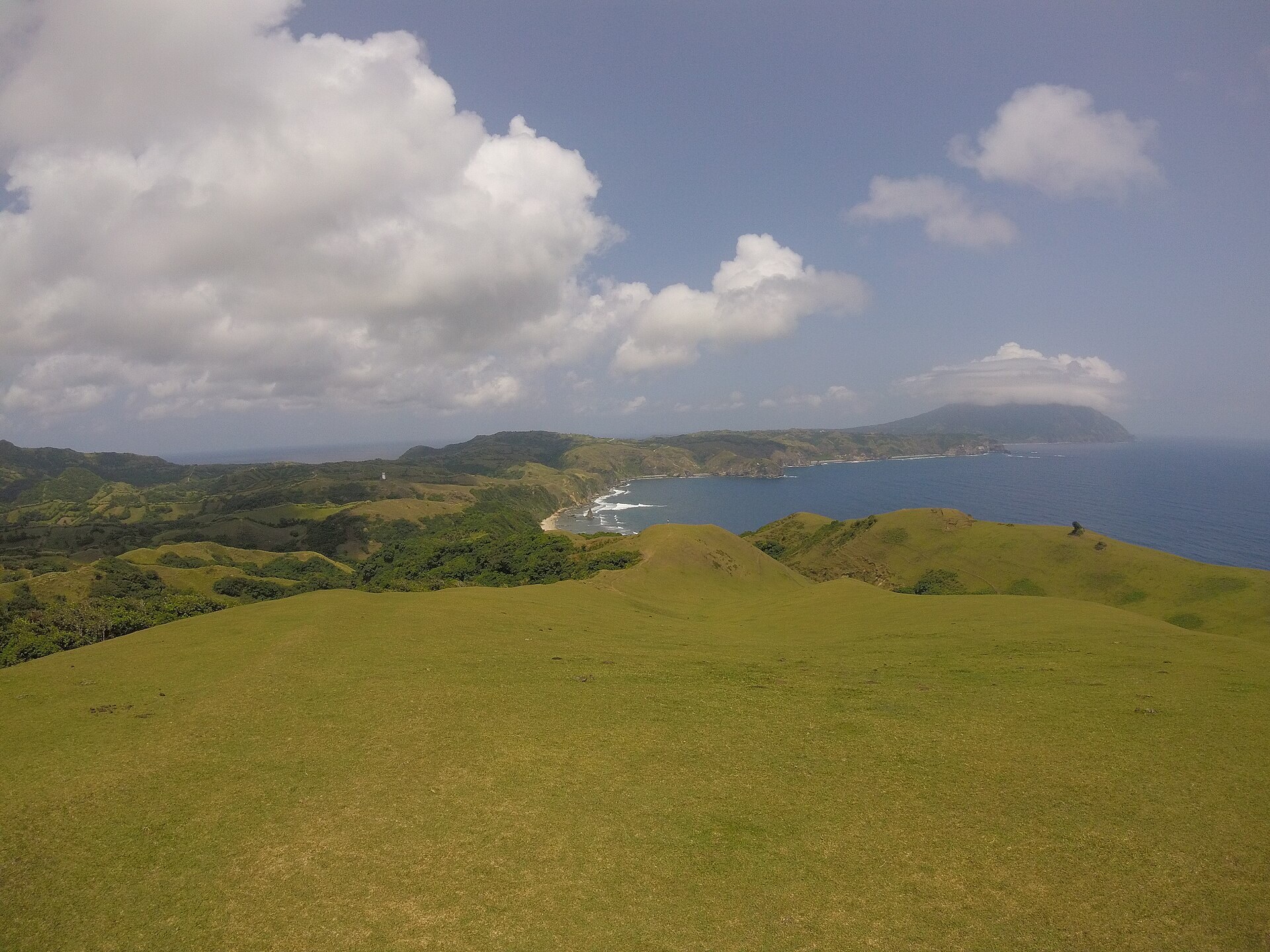
The Vayang rolling hills running toward Mount Iraya
Kirkamon, CC BY-SA 4.0
BASCO · SABTANG · ITBAYAT · THE LAST FRONTIER OF THE PHILIPPINES

Where the Philippines turns into Ireland

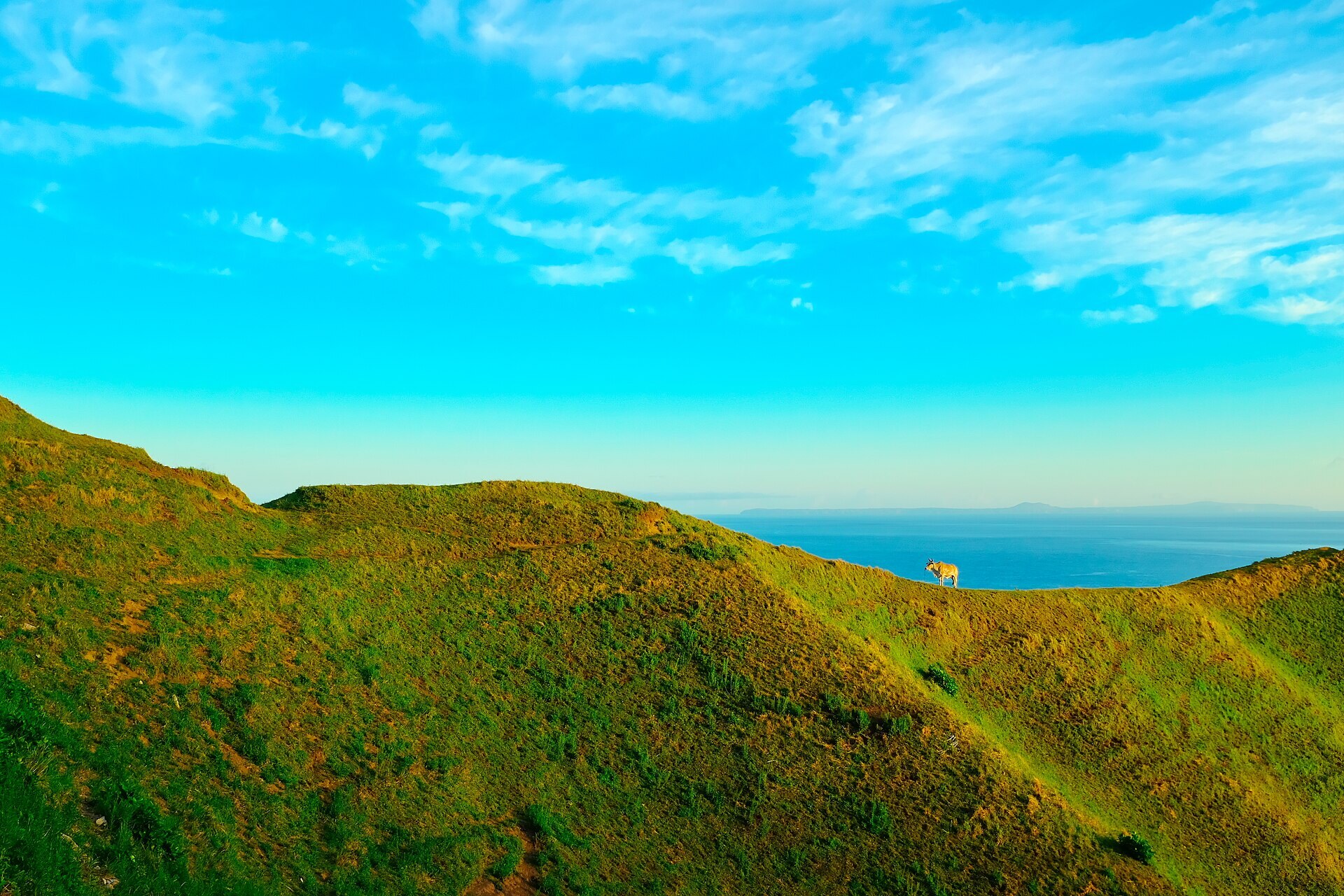
Ten green islands in the typhoon lane between Luzon and Taiwan, where carabao graze hills that dive straight into Pacific surf and villages are built of metre-thick stone because the weather demands it. Batanes is the trip Filipinos save up for, and the one foreign travellers haven't found yet. Here is the whole of it.
1 THE ISLANDS

Three inhabited islands, one weatherproof culture

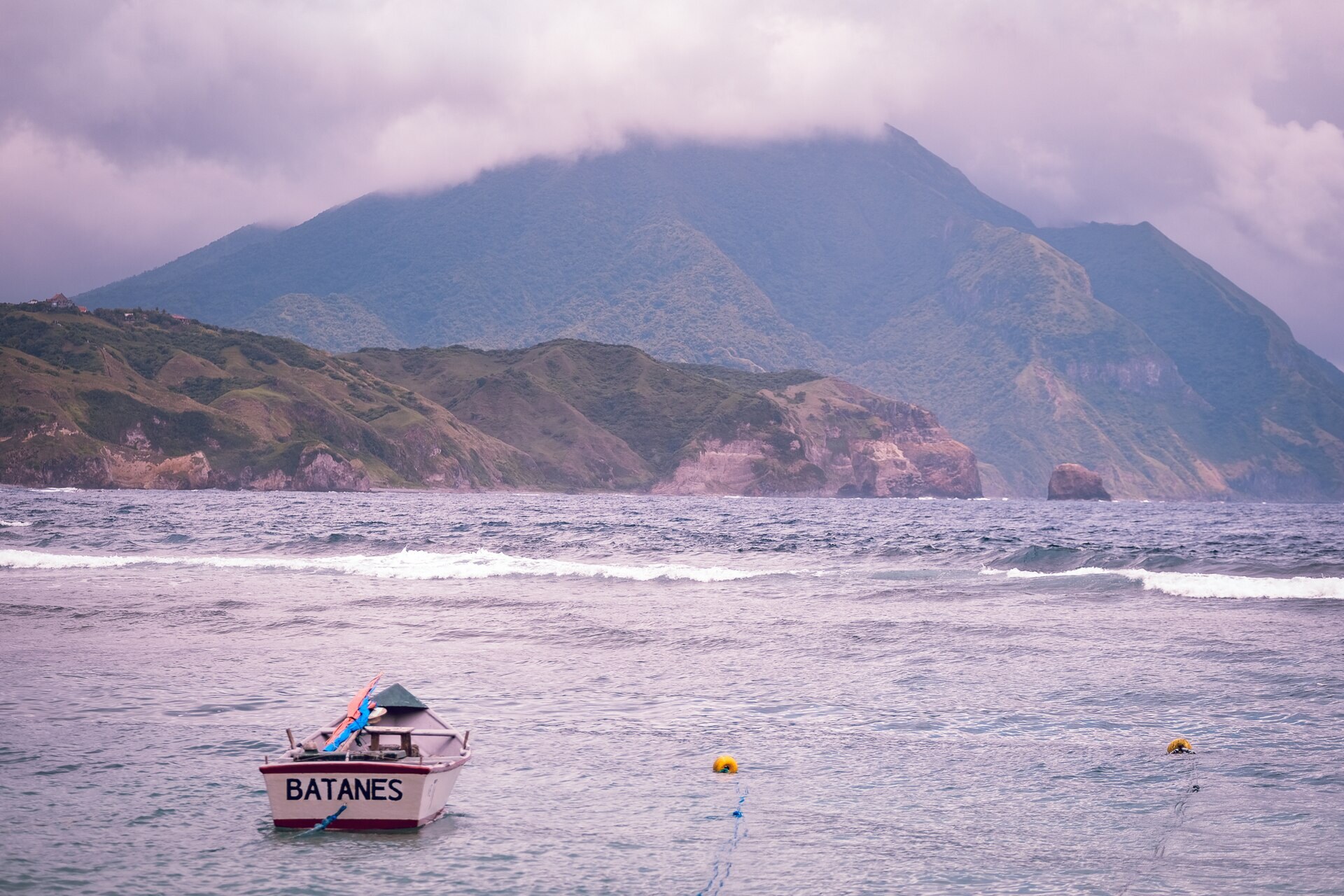
Batan carries the capital Basco, the airport and the famous hills; Sabtang, thirty rough minutes by faluwa boat, keeps the stone villages; wild Itbayat, farther north, is for travellers with loose schedules and strong stomachs.

Everywhere, the Ivatan logic applies: build low, build thick, trust your neighbours, and read the sky before promising anything.

2 THE CIRCUIT

Four days, three islands' worth of weather

The classic Batanes run is tricycle-and-van simple: north loop, south loop, Sabtang day, spare day. The spare day is not optional; it is how the islands teach scheduling humility.

DAY 1-2 · BATAN LOOPS

North and south circuits

TRICYCLE / VAN / BIKEHILLS + CLIFFS

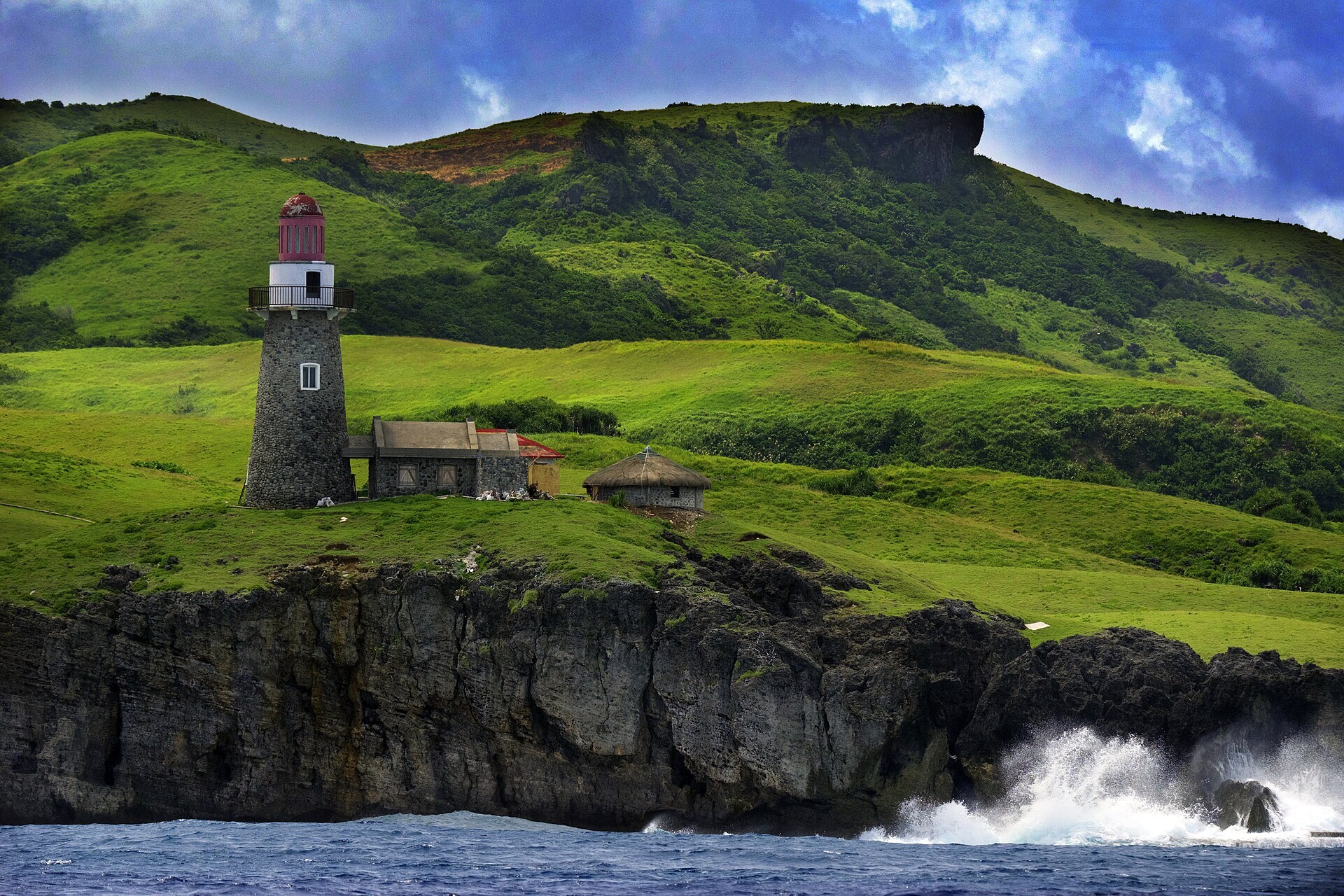
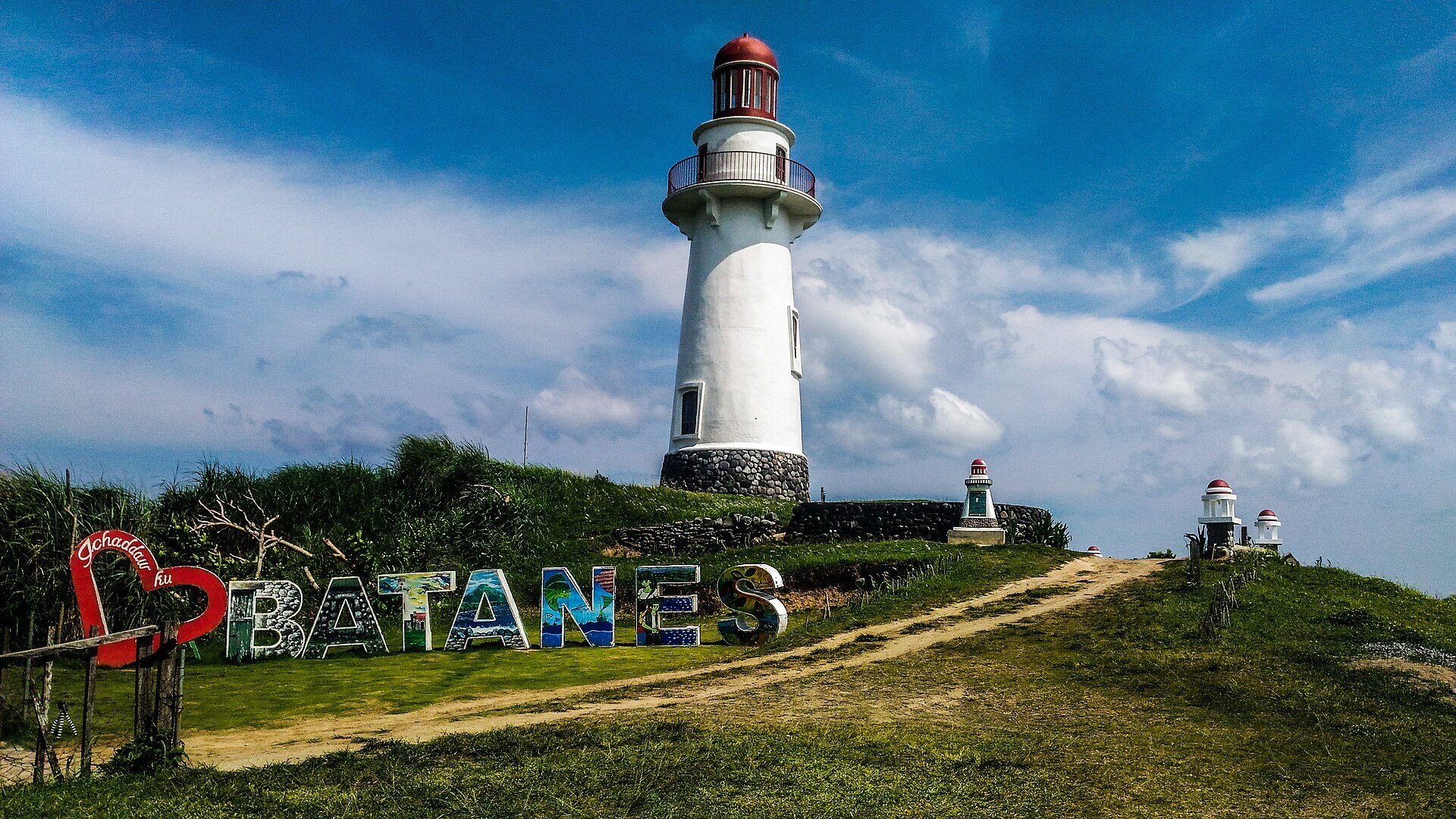
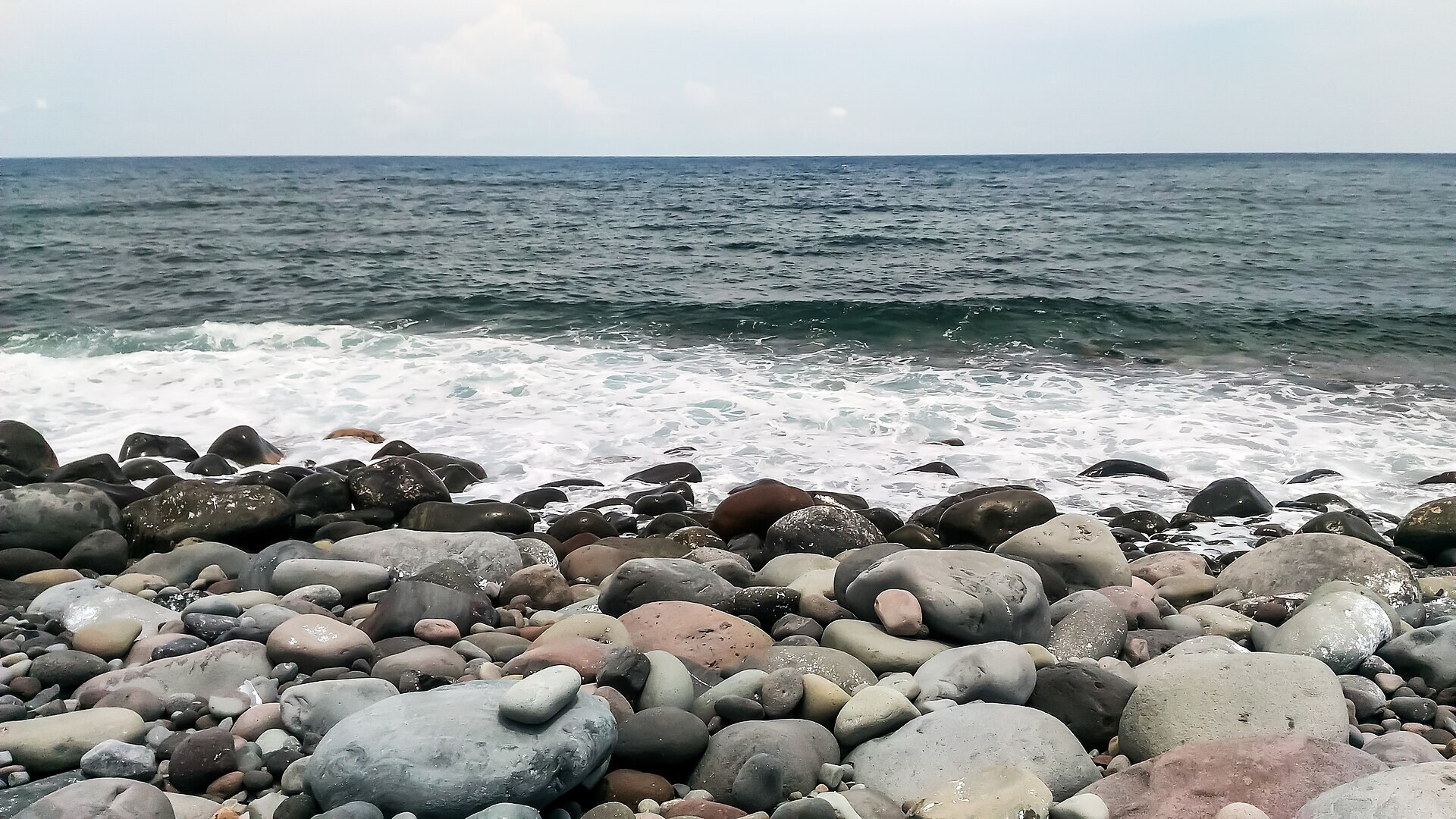
North: Vayang, Naidi lighthouse, Valugan boulders, the war tunnels. South: Marlboro Country, Alapad's hairpin cliffs, Imnajbu coves and the old Spanish bridge. Both loops fit daylight comfortably.

DAY 3 · THE CROSSING

Sabtang stone villages

FALUWA 06:00-07:00BACK BY 15:00

Early boat from Ivana, registration at the tourism post, then Savidug, Chavayan and the Morong arch by tricycle. Lunch is turmeric rice and coconut crab seasons permitting; the afternoon boat brings you home salt-crusted and converted.

DAY 4+ · THE WILD OPTION

Itbayat, if the sea agrees

2-4 H BY BOATFLEXIBLE RETURN

The northernmost inhabited island has cliff-ringed ports, cave burial sites and zero tourist polish. Boats cancel freely: go only with slack in your flights, which is exactly why it stays wonderful.

3 SLEEP LIKE AN IVATAN

Small inns, big weather margins

Basco holds most beds in family-run inns and a few boutique spots with Iraya views. Book the dry months early; the planes are small and the island fills before the hotels do.

4 THE WIND REPORT

Notes from the stone lanes

Practical pieces with the boats actually ridden and the honesty boxes actually paid. New entries twice a week.

5 ASKED AT THE AIRSTRIP
How do I get to Batanes?

Fly Manila-Basco (about 1h45) on the small morning planes; book early, take the first departure, and keep a buffer day each side. There is no practical sea route for visitors.

When should I go?

December-May for reliable flights, March-May for the greenest hills. Typhoon season (June-November) is dramatic and occasionally strands travellers; the islands themselves shrug storms off better than anywhere in the country.

How many days?

Four to five: two Batan loops, the Sabtang day, and slack for weather. Add two more if Itbayat tempts you; its boats run on the sea's opinion.

Do I need a tour?

No, but local guides and tricycle drivers are affordable, excellent company and the economy's backbone. Register and pay the small eco-fees at each island's tourism office; solo cycling the loops is also glorious.

What's the food situation?

Ivatan cooking is its own thing: turmeric rice, uved banana-pith balls, flying fish in season, coconut crab where sustainable. Restaurants are few and close early; lunch big, book dinner, and raid an honesty shop for the gaps.

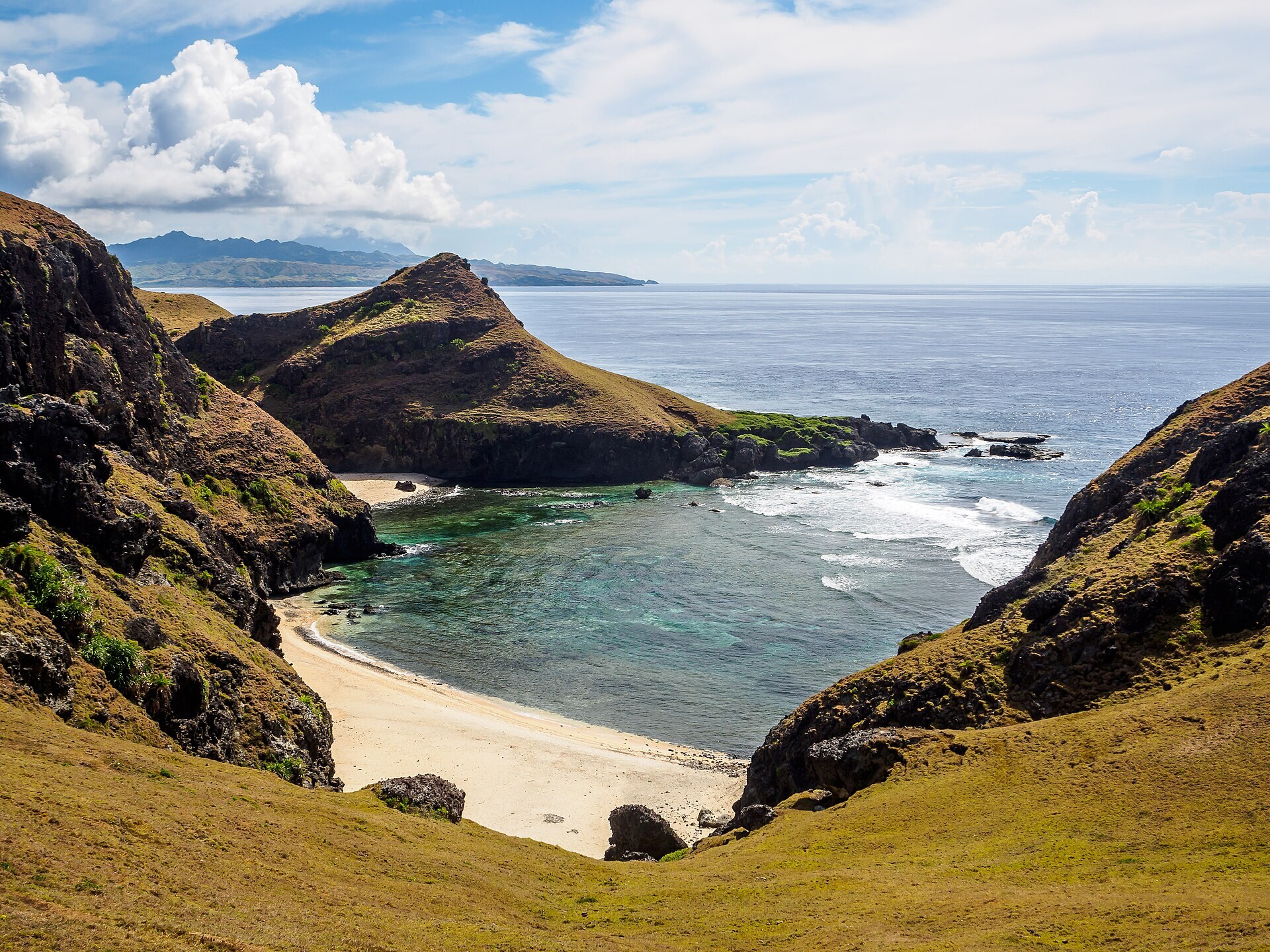
Turquoise cove under Sabtang cliffs
Cid Jacobo, CC BY-SA 4.0

The planes are small. So is the window.

Find a stay in Basco