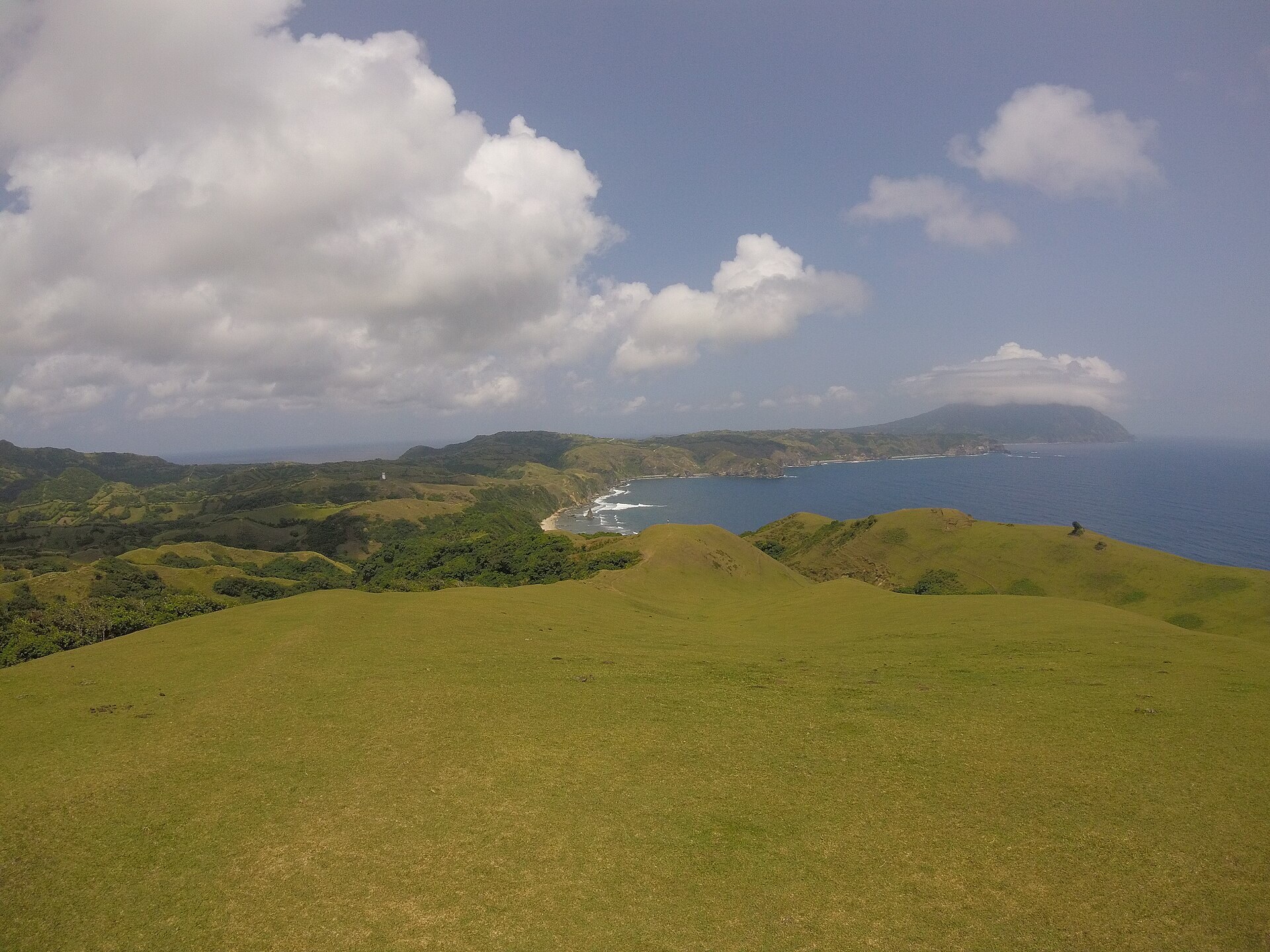
Sabtang is the island most visitors mean when they say they want to see "old Batanes": limestone and coral-stone houses with cogon-thatch roofs, villages that still wear the typhoon in their architecture, and women in the island's traditional vakul headgear going about ordinary mornings rather than posing for cameras. It is reachable from Batan in a single day, but the word "day trip" undersells how much the sea has a vote in the plan. Treat the crossing as the first decision of the day, not a formality before the real itinerary starts.
Getting to the boat: Radiwan port timing
Boats to Sabtang leave from Radiwan port on Batan, a short tricycle ride from Basco, usually in the morning once the Philippine Coast Guard clears the crossing for the day. There is no fixed printed timetable that holds every day: the clearance depends on wind and wave height across the Sabtang Channel, which is a notoriously rough stretch of water even on a calm-looking day. Arrive at the port by around 7:00 to 7:30 to register, pay the terminal fee (expect roughly PHP 30 to 50), and find out what time boats are actually departing that morning. Fiberglass-hulled bangka or the older faluwa outrigger boats make the crossing in 20 to 30 minutes when conditions are favorable.
What the Coast Guard decides, not you
Batanes operates on what locals call typhoon-season honesty: from roughly November through March, the channel is frequently too rough for passenger boats, and crossings can be suspended for hours or entire days with no advance notice beyond the morning assessment. Even outside typhoon season, afternoon winds can pick up enough that the Coast Guard calls boats back early, which is why day-trippers are usually asked to commit to a return time in the early afternoon rather than lingering until sunset.
Do not argue with the terminal staff: the Coast Guard's wave-height call is final and is the same rule that keeps everyone on the water safer. Ask about the next possible window that day, or plan to attempt the crossing again the following morning. Keep one buffer day in any Batanes itinerary specifically for this.
A loop around Sabtang's villages
Once across, a hired tricycle or habal-habal (motorbike) is the practical way to cover the island, since distances between barangays are longer than they look on a small map and the paved road ends in places. A common loop runs south from the port through Malakdang viewpoint, down to the stone houses and old churches of San Vicente, Sumnanga, and Savidug, then back via Chavayan, which has some of the best-preserved coral-stone and cogon-roof houses left in Batanes. Expect the full loop, with stops, to take four to five hours by tricycle, with hire costs commonly in the range of PHP 1,500 to 2,500 for the day depending on the route and number of stops.
Honesty shops and buying without haggling
Several villages have small honesty shops: unattended stalls selling snacks, cold drinks, or handwoven goods, where you take what you need and leave payment in a box or jar, trusting the system entirely. This is not a tourist gimmick but a genuine extension of Ivatan community trust, and the expectation is that visitors pay the marked price without bargaining and without taking more than they pay for. If a shop has no visible price list, a reasonable rule is to pay what a similar item costs elsewhere on the island rather than guessing low.
Vakul, and how to photograph it respectfully
The vakul, a headgear woven from voyavoy palm fibers, is worn by Ivatan women chiefly as sun and rain protection, and it is practical dress rather than costume. You will see it worn naturally in fields and villages, particularly on Sabtang and in Ivana. If you want a photograph, ask first, in the same way you would ask anyone going about their day: a smile and a gesture toward the camera usually gets a clear yes or no, and a no should end the request there. Buying a small woven vakul or related handicraft from a village shop, rather than only photographing it, is a more useful way to support the craft.
Food, cash, and the return crossing
Sabtang has limited eateries, so many day-trippers prearrange a simple lunch (often a plate of rice, dried fish or meat, and vegetables, roughly PHP 150 to 250) through their tricycle driver or guide rather than hoping to find a restaurant open on arrival. There are no reliable ATMs on Sabtang, so bring enough cash from Basco for the terminal fee, tricycle hire, lunch, and any purchases. Build in time to be back at the port well before the Coast Guard's afternoon cutoff, since missing the last cleared crossing back means an unplanned night on an island with very limited accommodation.